
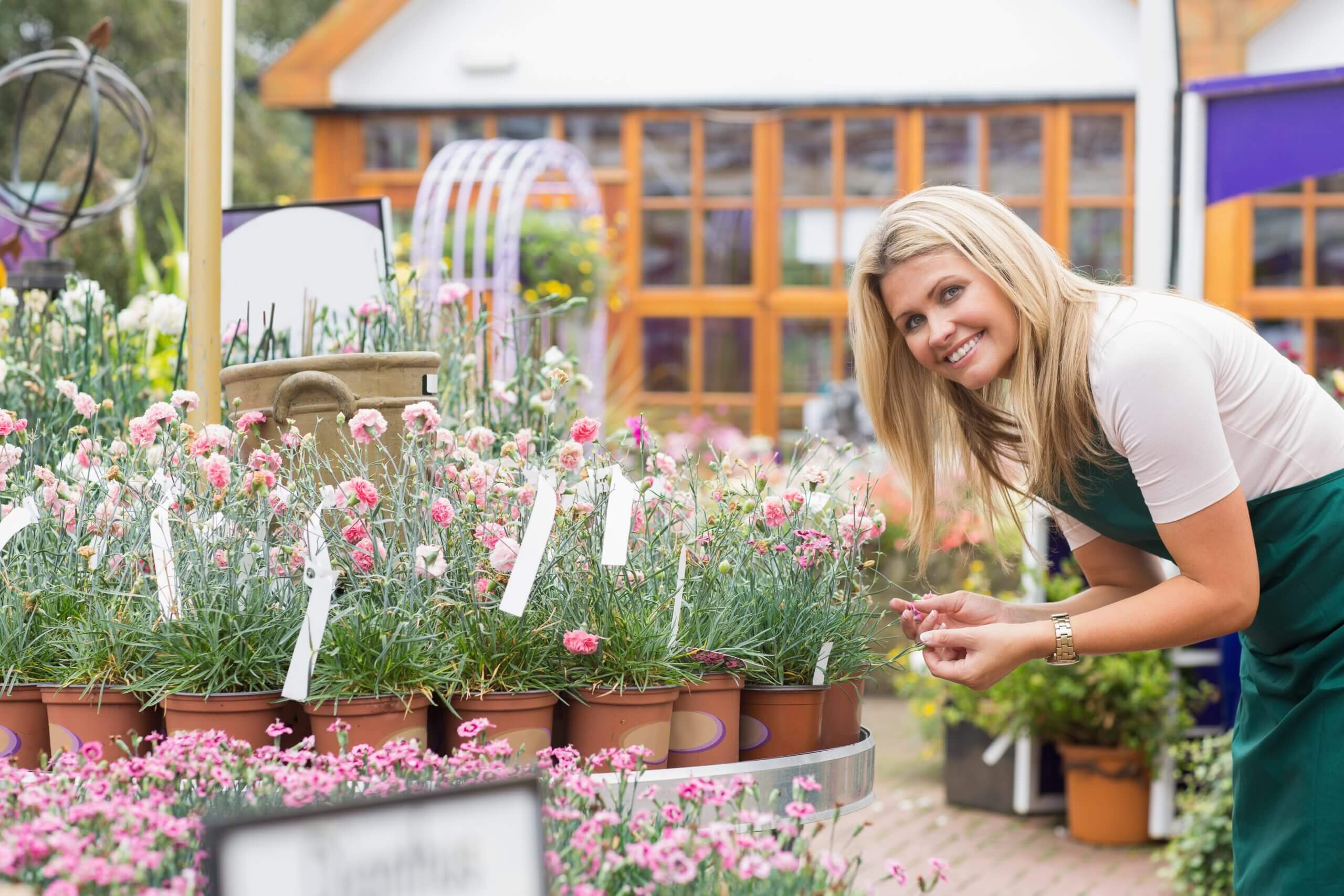
How a Longueville Florist Creates Stunning Floral Arrangements
A Longueville florist creates stunning arrangements by combining seasonal flower knowledge, strong design structure, and careful conditioning that keeps stems fresh for longer. They also tailor every bouquet to the client’s space, purpose, and preferred style, so the final piece feels intentional rather than generic.
What looks effortless on the outside is usually the result of a repeatable process: source well, prep properly, design with balance, and finish with detail.
How do they choose the right flowers for each arrangement?
They start with seasonality, quality, and the “job” each flower needs to do. Some blooms are focal heroes, some add movement, and others create soft volume that makes everything feel full.
They also consider how flowers behave over time. A florist Longueville will often mix blooms that open at different rates, so the arrangement looks good on day one and keeps evolving across the week.
How do they build a colour palette that looks expensive and effortless?
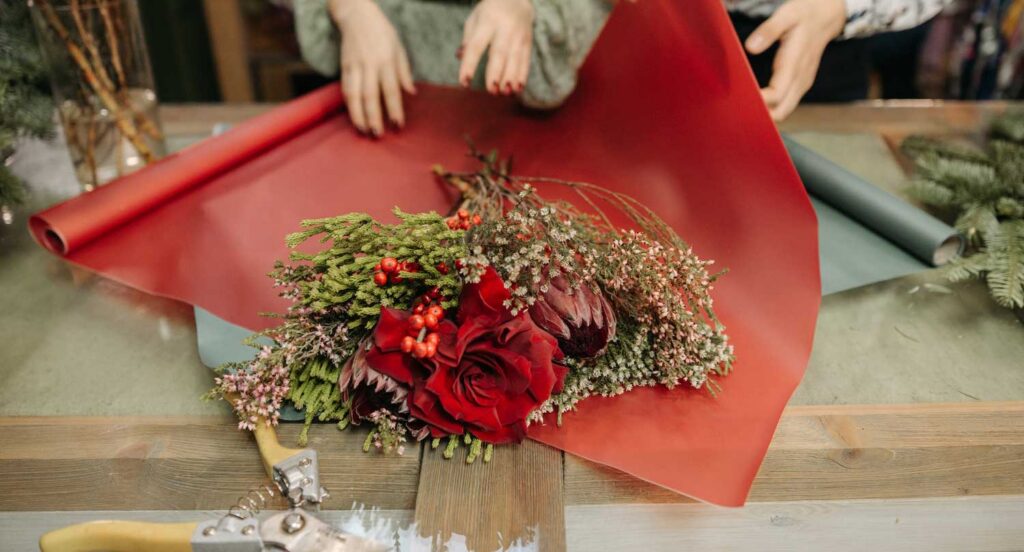
They usually pick one main tone, one supporting tone, and one accent, then repeat those colours in small doses across the design. This repetition makes the arrangement feel cohesive rather than busy.
They also balance saturation. If a palette includes a bold colour, they often soften it with creams, greens, or muted shades so the arrangement stays elegant and not overpowering.
How do they make an arrangement look full without overstuffing it?
They use structure first, then fill. That means creating a base shape with greenery or strong line flowers, placing focal blooms next, and only then adding “supporting” flowers to close gaps.
They also avoid packing stems too tightly. Space is part of the design, because a little breathing room lets each bloom read clearly and keeps the arrangement looking airy and premium.
How do they create shape, movement, and balance?
They design with a clear silhouette in mind, such as a loose dome, a modern asymmetrical profile, or a more upright, architectural look. The silhouette guides where taller lines and softer edges should sit.
Movement comes from varied stem lengths and directional placement. They angle a few elements outward, tuck some blooms lower, and keep the focal area strong so the eye knows where to land.
Why does conditioning matter so much, and what do they do differently?
Conditioning is a major reason some flowers last days longer than others. A florist typically strips lower leaves, re-cuts stems on an angle, and hydrates flowers properly before designing.
They also separate delicate blooms from heavy drinkers when needed, and they keep temperature and timing in mind. Small steps like clean tools and fresh water reduce bacteria, which is often the hidden cause of early wilting. Click here to get about more steps to prevent bacteria growth in plants and flowers.
How do they match arrangements to the occasion and the recipient?
They ask simple questions that reveal the right direction: Is it romantic, celebratory, sympathy, or “just because”? Is the recipient minimal and modern, or classic and lush? Where will it be placed?
From there, they choose the right scale and intensity. A bedside bouquet needs a different height and fragrance level than a dining table piece, and a corporate gift usually benefits from cleaner lines and calmer colour. To get also about guidelines relating to official gifts for presentation visit https://www.pmc.gov.au/government/official-gifts/guidelines-relating-official-gifts-presentation-ministers.
How do they design for specific containers and spaces?
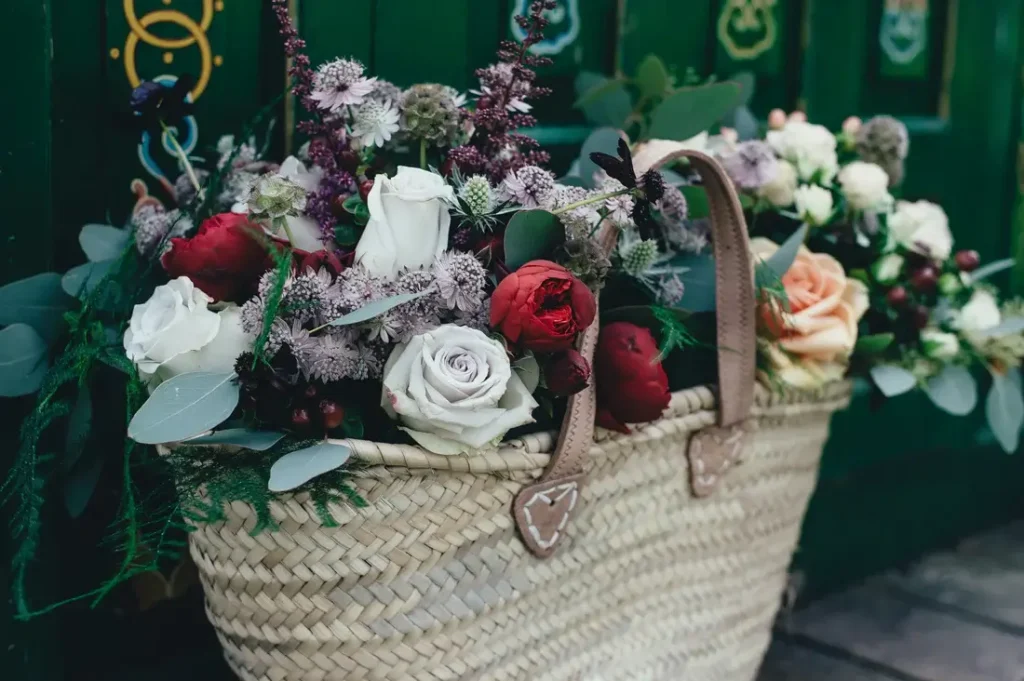
They treat the vessel as part of the design, not an afterthought. A low bowl suits wide, layered designs, while a tall vase supports longer lines and more negative space.
They also consider the environment. A warm room, direct sun, or a breezy entryway can shorten vase life, so they may choose sturdier blooms and adjust density to help the arrangement hold up.
What techniques help the finished arrangement look polished up close?
They refine the “face” of the bouquet by checking the front view, side view, and top view. They rotate the design, correct any clumps, and distribute colour so no area feels heavy.
They finish by cleaning edges: removing bruised petals, wiping the vase, hiding mechanics, and ensuring the arrangement looks good from the angle it will be seen most.
How do they keep flowers looking fresh after delivery?
They often include care guidance that actually matters: re-cut stems, change water regularly, keep flowers away from heat and fruit, and remove fading blooms promptly.
They also design with longevity in mind. Using a mix of hardy and delicate stems, plus well-conditioned foliage, helps the arrangement maintain its shape and colour even as individual blooms naturally cycle out. Learn more about same day flower delivery Sydney for birthdays.
What should clients ask for if they want “stunning” rather than standard?
They should describe the mood, the setting, and the preferred style, then let the florist choose the best seasonal stems. Clear direction like “soft, airy, and modern” or “bold, dramatic, and sculptural” is more helpful than naming one specific flower.
If they share budget, colour preferences, and where the arrangement will sit, the florist can make smarter design choices that maximise impact and create a result that feels truly considered.
FAQs (Frequently Asked Questions)
How does a Longueville florist select the perfect flowers for each arrangement?
A Longueville florist chooses flowers based on seasonality, quality, and the specific role each bloom plays in the design—whether as a focal hero, adding movement, or creating soft volume. They also consider how flowers open over time to ensure the arrangement evolves beautifully throughout the week.
What strategies are used to build a colour palette that looks both expensive and effortless in floral designs?
Florists typically pick one main tone, one supporting tone, and one accent colour, repeating these hues subtly across the bouquet to maintain cohesion. They balance saturation by softening bold colours with creams, greens, or muted shades, ensuring the arrangement remains elegant and not overpowering.
How do florists create full-looking arrangements without overstuffing them?
They start with structure by establishing a base shape using greenery or strong line flowers, then place focal blooms followed by supporting flowers to fill gaps. Avoiding tightly packed stems allows space for each bloom to stand out, keeping the design airy and premium.
Why is flower conditioning important and what unique steps do florists take?
Conditioning significantly extends flower longevity. Florists strip lower leaves, re-cut stems at an angle, hydrate properly before arranging, separate delicate blooms from heavy drinkers, and maintain clean tools and fresh water to reduce bacteria that cause early wilting.
How are floral arrangements tailored to suit different occasions and recipients?
Florists ask about the occasion’s mood—romantic, celebratory, sympathy—or if it’s ‘just because,’ along with recipient style preferences like minimal modern or classic lush. They also consider placement to adjust scale and intensity appropriately for bedside bouquets versus dining tables or corporate gifts.
What techniques ensure floral arrangements look polished up close and maintain freshness after delivery?
Florists refine bouquets by checking multiple angles to correct clumps and evenly distribute colour. They clean edges by removing bruised petals and hiding mechanics. For freshness post-delivery, they provide care guidance such as re-cutting stems, changing water regularly, avoiding heat and fruit exposure, and removing fading blooms promptly.
How a Longueville Florist Creates Stunning Floral Arrangements Read More »