
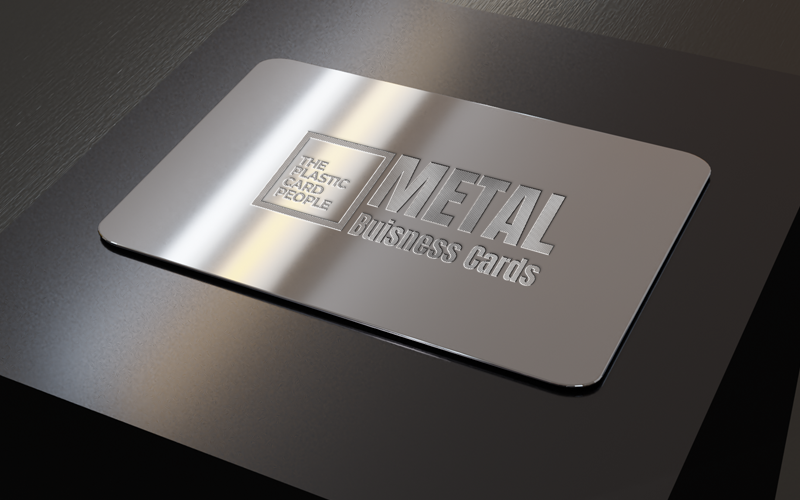
Metal Business Cards Explained: Who Uses Them and Why
Metal business cards have rapidly become a symbol of elegance and innovation in how professionals connect. In Australia and beyond, these cards are much more than contact information printed on paper. They are a statement of status, quality, and a subtle nod to modernity. This comprehensive guide walks you through the world of metal business cards, who uses them, and why they’ve garnered such attention.
The Rise of Metal Business Cards
The transition from paper to metal cards isn’t just an aesthetic trend. It is backed by powerful statistics that highlight the importance of a lasting first impression in business networking. Metal business cards have increased retention rates by 32%, a significant improvement that illustrates their impact on potential clients and partners.
Business cards, in general, continue to be an essential part of networking. Consider that over 27 million business cards are printed every day worldwide. With such high volumes, the need for a distinct look is more pronounced than ever. Professionals across industries are eager to stand out, and metal business cards deliver on that promise.
Australian professionals are slowly but surely embracing these premium alternatives. They offer an experience that paper simply cannot match, by combining durability, tactile quality, and a touch of luxury that appeals to the upper echelons of business communities.
Who Uses Metal Business Cards?
Metal business cards find favour across a range of industries, from finance to creative sectors. They have become particularly popular amongst those who desire to break the mould and offer something unique. The question isn’t just whether to use them but who finds them most beneficial.
Executives, entrepreneurs, and professionals in high-status positions often opt for metal cards as a way to underline their established reputation. This trend is paired with a market shift in the metal credit cards sector, where elite banking programmes now include full metal options as part of their premium offerings.
The diverse appeal of metal business cards spans from luxury brand representatives to tech innovators, each seeking a modern method to forge memorable first impressions.
Executive and Corporate Users
Executives in large corporations are gravitating towards metal business cards as part of an overall strategy to communicate professionalism and exclusivity. These cards serve as a tangible extension of the corporate brand, reinforcing a high-quality image.
Across boardrooms in Sydney and Melbourne, the brilliance of metal business cards signals that the owner values precision and quality in every aspect of business. They are often seen in industries where credibility and trust must be instantly established, such as financial services and law.
Questions surrounding the design, durability, and tactile feel are common. The design process is often undertaken with care, involving premium finishes and custom engravings that further enhance the prestige associated with the card’s bearer.
Creative Entrepreneurs and Designers
Metal business cards offer a blank canvas for creative minds who are not afraid to defy convention. Whether you’re a graphic designer, architect, or a boutique creative agency owner, a metal card is an excellent medium to showcase your style and commitment to distinctiveness.
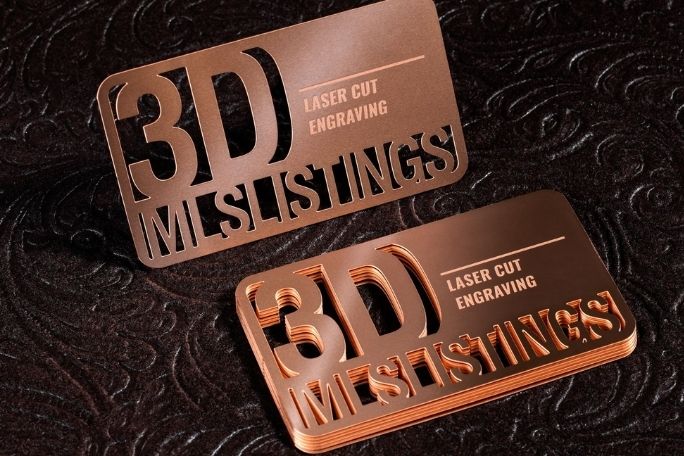
The card’s metallic construction invites innovation with its potential for different textures, colours, and engraving styles. Designers in Australia are capitalising on these variations to further elevate their brand’s narrative, harnessing an artistic synergy between form and function.
For these creative professionals, metal business cards are more than just a tool; they are an extension of their creative portfolio, cementing both their artistry and professional identity with every introduction.
Luxury and Boutique Business Owners
Luxury businesses have always preferred an edge when it comes to visual communication. Metal business cards are a natural fit in the world of high-end retail, bespoke services, and premium lifestyle brands. They project exclusivity and sophistication that paper simply cannot replicate.
Statistics suggest that nearly 80% of exclusive banking programmes incorporate full metal credit cards, signalling a shift towards premium, high-quality financial instruments that echo the same sentiment found within the business card industry. Similarly, luxury brands are mirroring this approach to create a refined experience for their clientele.
With a rigorous focus on customisation and bespoke design, these cards become a conversation starter, often leading to lasting impressions that open doors to further opportunities in upscale networking environments.
Why Choose Metal Business Cards?
The drive towards metal cards is fueled by a quest for differentiation and enduring quality. Compared to traditional paper cards, the metal variety offers a sense of permanence that resonates with professionals who are serious about their craft and brand.
72% of people make snap judgements about a company based on the quality of its business card. Such a high percentage indicates that first impressions are paramount, and metal cards tip the scales favourably by exuding confidence and sophistication.
From a practical viewpoint, metal business cards are durable and resistant to the wear and tear associated with traditional cards. This longevity supports the notion of a business card as a lasting connector, well suited for the long haul in networking and relationship building.
Impactful First Impressions
First impressions bring a combination of visual and tactile signals. Metal business cards deliver on both fronts, offering a striking contrast to the conventional. Because of their tactile heft, recipients are more likely to remember the individual behind the card.
This heightened retention is key. Increased by 32% in some studies, the memory association is primarily linked to the card’s unique feel and innovative design. The result is a durable impression that outlasts many traditional encounters.
The use of metal in business cards is a visual representation of a commitment to innovation, intelligence, and high performance. It tells the recipient that every detail matters, setting the stage for a professional relationship built on thoughtful attention.
Enhanced Durability and Longevity
One of the biggest selling points of metal business cards is their durability. Unlike paper cards that may tear or become water-damaged, metal cards maintain their quality over time. This factor alone can be a decisive influence on businesses dealing in high volumes of networking events.
Australian professionals who frequently attend conferences and seminars appreciate that a metal card remains pristine even after handling multiple times throughout the day. This resilience translates into a lasting impression that reinforces the brand’s reliability.
The robust nature of metal cards means that, despite frequent use, the visual appeal remains intact. The confidence that comes from such assurances reflects well on the individual or brand, providing extra value that cannot be matched by traditional materials.
Customisation and Personalisation
Metal business cards offer a high degree of customisation that attracts a broad spectrum of industries. Whether the design calls for intricate engravings, layered finishes, or unique colour options, there is ample opportunity to craft a visual narrative reflective of the brand’s ethos.
In Australia, where entrepreneurial spirit is celebrated, customisation allows for a unique expression of both creativity and professionalism. Hand-selected finishes improve user engagement with each card, contributing to an overall sophisticated visual language.
This personalisation ensures that each card is as unique as the person behind it. The benefits extend beyond aesthetics, triggering a sense of exclusivity that distinguishes the card-and its owner-from the crowd.
Design Trends in Metal Business Cards
Design trends continuously evolve, and metal business cards have spurred a wave of innovative approaches. From minimalistic designs that speak of understated elegance to complex, layered engravings, the possibilities are vast.
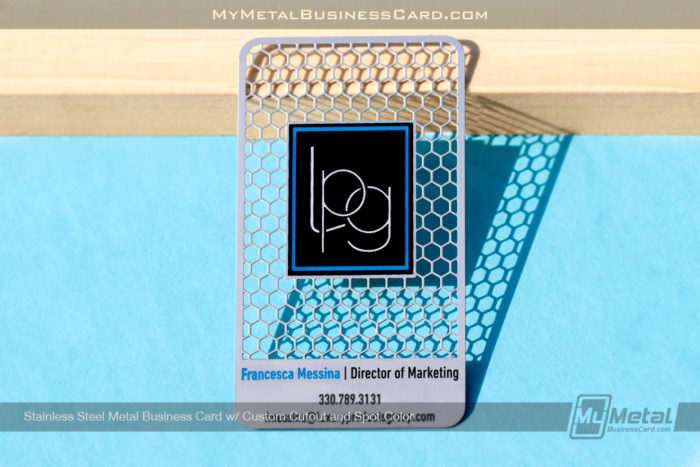
The modern trend favours a sleek, modern look combined with experimental touches such as matte finishes, coloured accents, and even mixed materials. Australian designers excel in blending these elements, ensuring that each card becomes a piece of art in its own right.
Many professionals now see their business card as a mini-brand ambassador, making design choices more strategic. Whether it’s the interplay of light on metal surfaces or the deliberate use of engraving techniques, every detail is crafted to leave a lasting impact.
Minimalist Versus Elaborate Designs
Minimalism remains a popular choice among many businesses. A clean design with subtle text and a single logo can often speak volumes. The refined look aligns with the modern ethos, offering a timeless appeal that appeals to discerning professionals.
On the other hand, elaborate designs that incorporate intricate patterns, embossed graphics, and layered textures create a sense of opulence. This style is especially popular in luxury sectors, where exclusivity is paramount. The choice between simplicity and complexity often rests on the brand’s positioning and the statement it wishes to convey.
Several Australian creative studios are actively experimenting with these contrasting styles, offering bespoke solutions for every need. Such creative freedom allows businesses to choose a style that best reflects their brand personality without constraints.
Modern Finishes and Techniques
Modern finishing techniques such as laser engraving, UV coating, and foil stamping have revolutionised the realm of metal business cards. These enhancements not only elevate the overall aesthetic but also bolster the card’s tactile engagement.
In our fast-paced digital age, the allure of such craftsmanship remains unmatched. Metal business cards offer the rare combination of heritage manufacturing techniques blended with contemporary design practices, ensuring they stand out on any desk or in any meeting.
These innovative touches allow the cards to capture attention in subtle ways-a glimpse of reflection here, a carefully chosen detail there-ultimately creating an immersive experience for both the giver and the receiver.
Applications Beyond Traditional Business Cards
While the focus is often on business cards, the material and design ethos of metal is also making headway into other domains. Metal cards are part of a broader movement towards premium and durable counterparts in everyday items.
Take, for example, metal credit cards. With the global metal credit cards market estimated at $18.5 billion in 2025 and projected to reach $48.0 billion by 2033, the premium feel is clearly in demand. Nearly 80% of exclusive banking programmes even incorporate metal cards into their offerings.
This cross-application is driving home the point that metal as a medium embodies not just luxury, but a paradigm shift towards items that are built to last while still boasting cutting-edge design.
Metal in Finance and Banking
The robust, high-quality nature of metal has also found favour in the finance and banking sectors. Metal credit cards offer a tangible sense of authority and exclusivity. Many financial institutions are now endorsing these cards, recognising that presentation and durability go hand in hand with enhanced credibility.
In the competitive financial landscape, where distinction can be a decisive factor, metal cards offer an aesthetic and tactile assurance that reinforces the brand’s promise of reliability and elite service. Australia’s banking sector is no stranger to such innovation, with selective offerings that cater to premium clientele.
The emerging trend of full metal cards in the banking landscape signals a high-end approach that mirrors the benefits seen in business cards. The increased production values and attention to aesthetic detail help solidify trust and increase customer satisfaction.
Promotional and Personal Use
Beyond corporate contexts, metal cards have also found an audience in personal promotions and limited-edition releases. Entrepreneurs, artists, and even event organisers are exploring metal cards for invitations and exclusive membership passes.
These specially crafted cards serve not only as a memorable contact medium but as collectible items that recipients hold onto as mementoes. The unique finish and feel transform a mere piece of metal into an artefact, sparking conversations long after its first exchange.
This versatility underlines the broader appeal of metal cards. Whether utilised as part of a personal brand or for promotional events, the impact is tangible. They serve as a bridge between functionality and collectibility, ensuring that the card remains a topic of interest well beyond the initial encounter.
Understanding the Market Trends
Market research clearly indicates a shift towards premium products in card making. Recent data projects the global metal card market to reach $7.058 billion by 2029, growing at a noteworthy CAGR of 24.4% from 2023 to 2029. This robust growth highlights the increasing demand for premium, durable, and innovative card options.
These trends extend across various segments, with the metal credit cards market expected to hit significant milestones in the coming years. The simultaneous growth in metal card making machines, valued at $587.2 million in 2024 and projected to get to $716.2 million by 2030 with a steady CAGR of 3.4%, further underscores the momentum in this sector.
As companies seek to stand out in a crowded market, the shift towards metal business cards becomes not just an option, but a necessity for brands that prioritise a quality-first approach. The data reflects that both established global powerhouses and emerging local brands are embracing this trend fully.
Market Dynamics and Growth Rates
The impressive growth in the metal business cards and metal credit cards markets can be attributed to evolving consumer expectations. In a world where first impressions often lead to lasting impressions, premium options are increasingly favoured over traditional designs.
With a competitive marketplace, even subtle details in physical materials can make a massive difference. The current market growth reflects a demand for innovation and durability, setting the stage for future technological advancements in card making.
For Australian and global businesses alike, these market shifts underscore the significance of reinvesting in premium quality tools that boost customer satisfaction and brand loyalty.
Adapting to Consumer Demands
Consumer demands have a clear preference for high-end, durable products. With 72% of people judging a company based on the quality of its business card, the need for superior materials has never been more crucial.
This consumer mindset drives the industry towards adopting advanced manufacturing techniques that reflect both quality and aesthetics. Professionals demand more than a name on a piece of metal-they seek a narrative of quality that is remembered long after the first glance.
The increasing acceptance of metal business cards amongst various industries is a testament to this shift. It reaffirms that investments in premium materials are not just a passing fad but a reflection of modern business ethos and consumer expectations.
Practical Considerations When Switching to Metal
Switching from traditional paper to metal cards involves several considerations. From cost and design flexibility to the longevity offered by the metal medium, decision-makers need to weigh all aspects before taking the plunge.
Australian businesses, in particular, are well-versed in balancing quality with budget constraints. Metal business cards may come at a premium, but their durability and impact can offer significant long-term benefits that outweigh initial investments.
Decision-makers should consider the nature of their industry, target audience, and overall brand strategy when assuming a switch to metal. The creative potential is vast, offering unique customisation that can set a business apart in a competitive market.
Cost versus Value Analysis
The cost factor is often the first concern when switching to metal business cards. Initially, metal cards are more expensive than conventional paper cards. However, the return on investment is reflected in enhanced brand image and improved customer retention.
The longevity of metal cards means that repeated printing and distribution costs are significantly reduced, making them a cost-effective option over time. In budget analyses, the unique value proposition of metal cards becomes clear-they are a one-off investment that keeps on giving.
Australian companies have shown that when they invest in premium materials, the perceived value and subsequent business relationships improve significantly. The upfront cost is often justified by the lasting impression and higher retention rates that these cards deliver.
Design and Production Considerations
When opting for metal, a well-planned design process is essential to truly harness its potential. The printing and engraving techniques require precision and creativity. Advanced manufacturing equipment, such as metal card making machines, plays an important role in ensuring consistency and quality.
Attention to detail is critical. From the choice of metal alloy to the finish and engraving style, every aspect can be custom-tailored to reflect the brand’s vision. Working closely with experienced designers and manufacturers who understand the nuances of metal card production ensures the card meets high standards.
For many Australian business owners, this collaborative design process is not only about creating a memorable product but solidifying the brand’s identity through tangible means. Custom designs often become a signature element that distinguishes the brand in an increasingly saturated market.
Future Outlook and Trends
The future appears bright for metal business cards as technology and design innovation continue to evolve the industry. With growth metrics showing high compound annual growth rates, the industry is set for a notable expansion in the coming years.
Advancements in production techniques and design customisation will only enhance the appeal and practicality of metal cards. As industries across the board seek ways to stand out, metal business cards are expected to find even wider acceptance.
Emerging trends suggest that eco-friendly metal alloys and sustainable manufacturing practices could further enhance the appeal of metal cards. In a market increasingly driven by ethical considerations, sustainability might soon become a key selling point alongside luxury and durability.
Technological Advancements
New technologies in laser engraving and precision cutting are continually refining the production process for metal cards. As these methods advance, designers will have more creative control over intricate patterns and finishes, further enhancing the bespoke nature of each card.
This technological leap is encouraging even sceptics to consider metal cards as a viable upgrade over traditional materials. It promises innovation in both aesthetics and functionality, ensuring that metal card production stays ahead of market trends.
Click here Why Custom Poker Chips Are Popular for Events and Promotions
Metal Business Cards Explained: Who Uses Them and Why Read More »