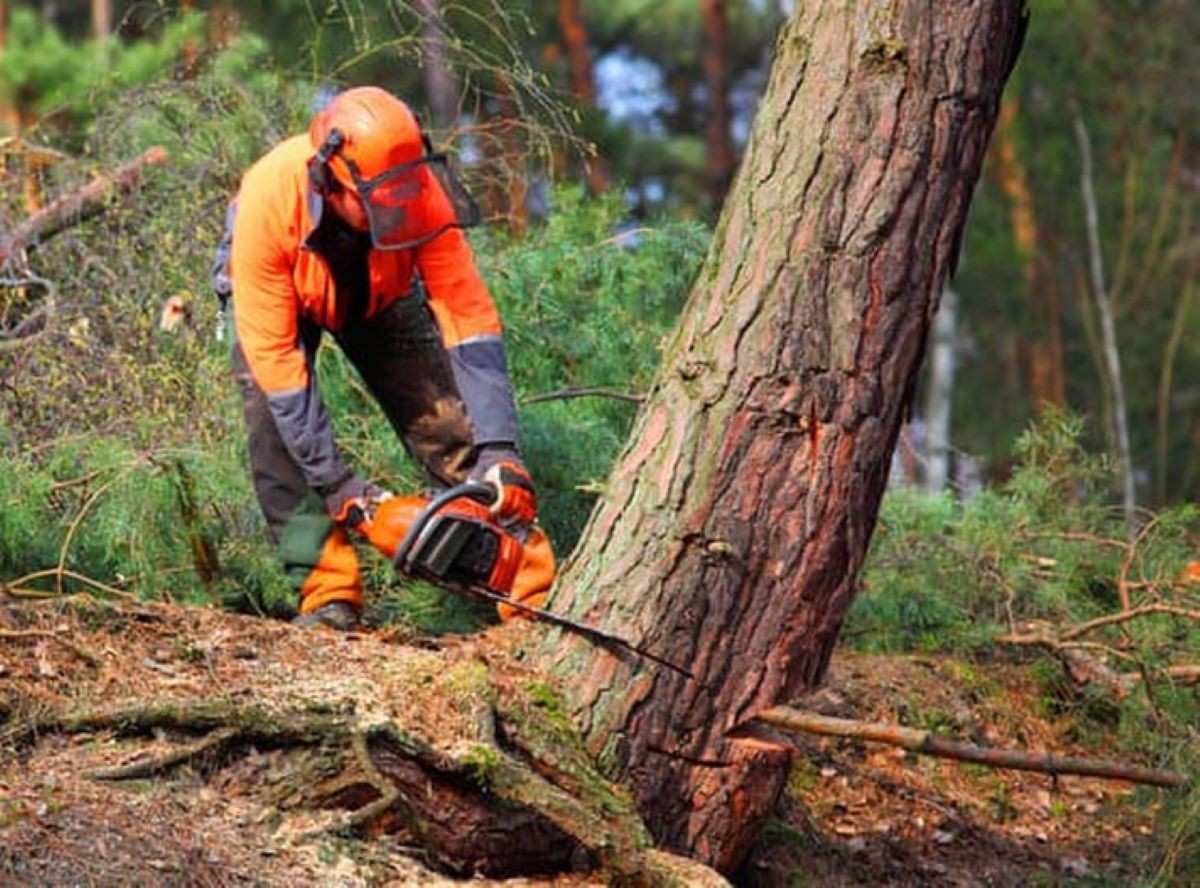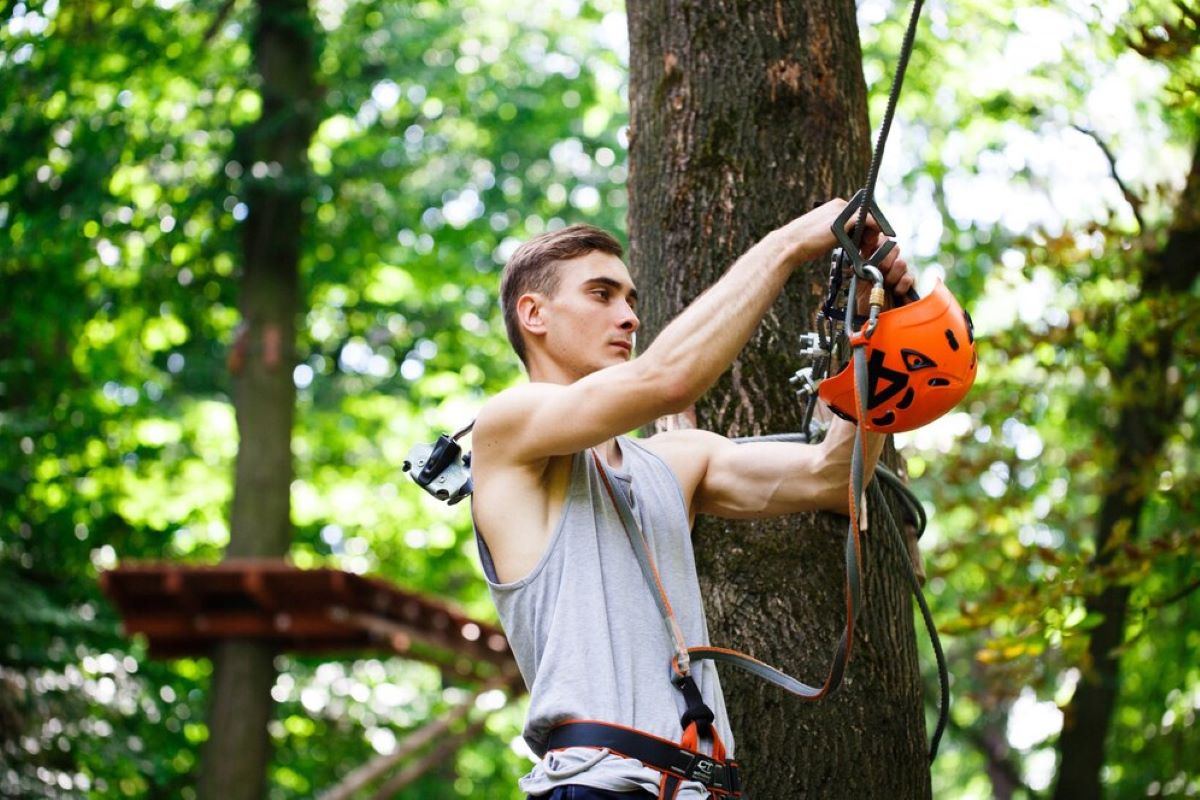
Because tree work can involve chainsaws, heights, traffic, and power lines, qualifications matter. The right credentials are a quick way to separate trained professionals from people who are simply “good with a saw”.
What does a qualified arborist in Sydney actually do?
A qualified arborist in Sydney assesses tree health, identifies defects, and recommends the right pruning or removal approach. They understand local species, pests, diseases, soil conditions, and how trees respond to cutting.
Arborists in Sydney also manage safety and compliance on site, including drop zones, rigging plans, and protecting nearby structures. In many cases, they prepare reports for councils, insurers, or development applications.
Which Australian certifications should they hold?
In Australia, arboriculture qualifications commonly sit within the AQF and are often delivered as Certificates and Diplomas. In practice, many competent arborists hold a Certificate III in Arboriculture, which aligns with day-to-day tree work like climbing, pruning, and removals.
For higher-level consulting, planning, and tree risk reporting, a Diploma of Arboriculture is a strong sign of deeper training. If they are offering formal advice, a higher qualification should match that scope.
Should they have specialist training for tree climbing and rigging?
Yes, if they are climbing or performing complex removals, specialist training is essential. Climbing, rope access, rigging, and aerial rescue are high-risk activities that require structured competency, not just experience.
A qualified climbing arborist should be able to explain their approach to anchor points, load limits, and rescue planning. If they cannot clearly describe how they handle a rescue scenario, that is a red flag.
What safety credentials should they be able to show?
They should operate under a safety system that suits arboriculture work, not generic paperwork. At minimum, they should have clear safe work methods for chainsaws, climbing, rigging, chipping, traffic exposure, and manual handling.
They should also be able to show evidence of equipment inspection routines, first aid readiness, and site-specific risk assessments. In Sydney, where access can be tight and properties close together, safety planning is not optional.
Do they need insurance, and what types matter?
Yes, they should carry current public liability insurance that covers arborist operations, not general gardening. This is critical because tree failures and property damage can be expensive, especially near roofs, fences, cars, or neighbouring lots.
If they employ staff, workers’ compensation insurance should be in place. For larger jobs or consulting work, professional indemnity insurance can also be relevant, particularly where reports influence decisions. Click here to learn more about insurance and Care services for the people of NSW.
How important is council knowledge and legal compliance in Sydney?
It matters because Sydney councils often regulate pruning and removal, especially for protected species, heritage listings, or trees above certain sizes. A qualified arborist should understand when approvals are required and how to support applications.
They should also be able to work within planning conditions on construction sites. If they dismiss council rules as unimportant, that can expose the property owner to fines and delays.
Should they be qualified to work near powerlines?
Only appropriately authorised workers should perform vegetation work near electricity assets. In NSW, work near powerlines is tightly controlled because of the risk of electrocution and network damage.
A competent arborist should know their exclusion zones and when to engage the electricity network or a specialist vegetation contractor. If they suggest “it will be fine” near service lines, that is not a professional response.
What signs show their qualifications are real, not just claimed?
They should be willing to share qualification details, licences, and insurance certificates without hesitation. They should also provide a clear written quote that lists scope, exclusions, and disposal, rather than vague promises.
On site, their professionalism shows in how they set up, brief the team, protect the area, and communicate the plan. If the work looks improvised, the paperwork is often just as weak.
What questions should a homeowner ask before hiring?
They should ask what qualifications the arborist holds, what insurance is current, and who will actually do the work on the day. It is common for the person quoting to be more qualified than the crew arriving, so this matters.
They should also ask whether council approval is needed, how risk is managed, and what the clean up includes. A qualified arborist will answer directly and in plain language. Click here to learn how to verify a tree removal company if it is licensed and insured.
What qualifications matter most for the specific job?
For routine pruning and removals, a solid arboriculture qualification plus demonstrated climbing and rigging competency is the baseline. For hazard assessment, tree stability concerns, or insurance related decisions, higher level training and reporting experience become more important.
If the job involves protected trees or development constraints, knowledge of local compliance is crucial. The right arborist is the one whose credentials match the actual risks and responsibilities of the work.
FAQs (Frequently Asked Questions)
What qualifications should a qualified arborist in Sydney hold?
A qualified arborist in Sydney typically holds a Certificate III in Arboriculture for standard tree work such as climbing, pruning, and removals. For higher-level consulting, planning, and tree risk reporting, a Diploma of Arboriculture indicates deeper training. These qualifications ensure they are trained to manage tree health, safety, and legal compliance effectively.
Why is specialist training important for tree climbing and rigging?
Specialist training in climbing, rope access, rigging, and aerial rescue is essential because these are high-risk activities. A qualified climbing arborist must demonstrate structured competency, including knowledge of anchor points, load limits, and rescue planning to ensure safety during complex removals or work at heights.
What safety credentials should an arborist operating in Sydney be able to provide?
An arborist should have clear safe work methods tailored to arboriculture tasks like chainsaw use, climbing, rigging, chipping, traffic exposure, and manual handling. They must also show evidence of equipment inspection routines, first aid readiness, and site-specific risk assessments to manage the tight access and proximity challenges common in Sydney properties.
Is insurance necessary when hiring an arborist and what types are important?
Yes. The arborist must carry current public liability insurance specific to arborist operations to cover potential property damage or tree failures. If employing staff, workers’ compensation insurance is required. For larger or consulting jobs, professional indemnity insurance is also relevant to protect against liabilities arising from reports or advice given.
How important is understanding council regulations and legal compliance for arborists in Sydney?
Very important. Sydney councils regulate pruning and removal especially for protected species or heritage-listed trees. A qualified arborist should know when approvals are needed and how to support applications. Ignoring council rules can result in fines or project delays; therefore compliance knowledge safeguards both the property owner and the project timeline.
What questions should homeowners ask before hiring an arborist in Sydney?
Homeowners should inquire about the arborist’s qualifications, current insurance coverage, who will perform the actual work on-site, whether council approval is required for the job, how risks will be managed during the work, and what clean-up services are included. A qualified arborist will answer these questions clearly and professionally.